
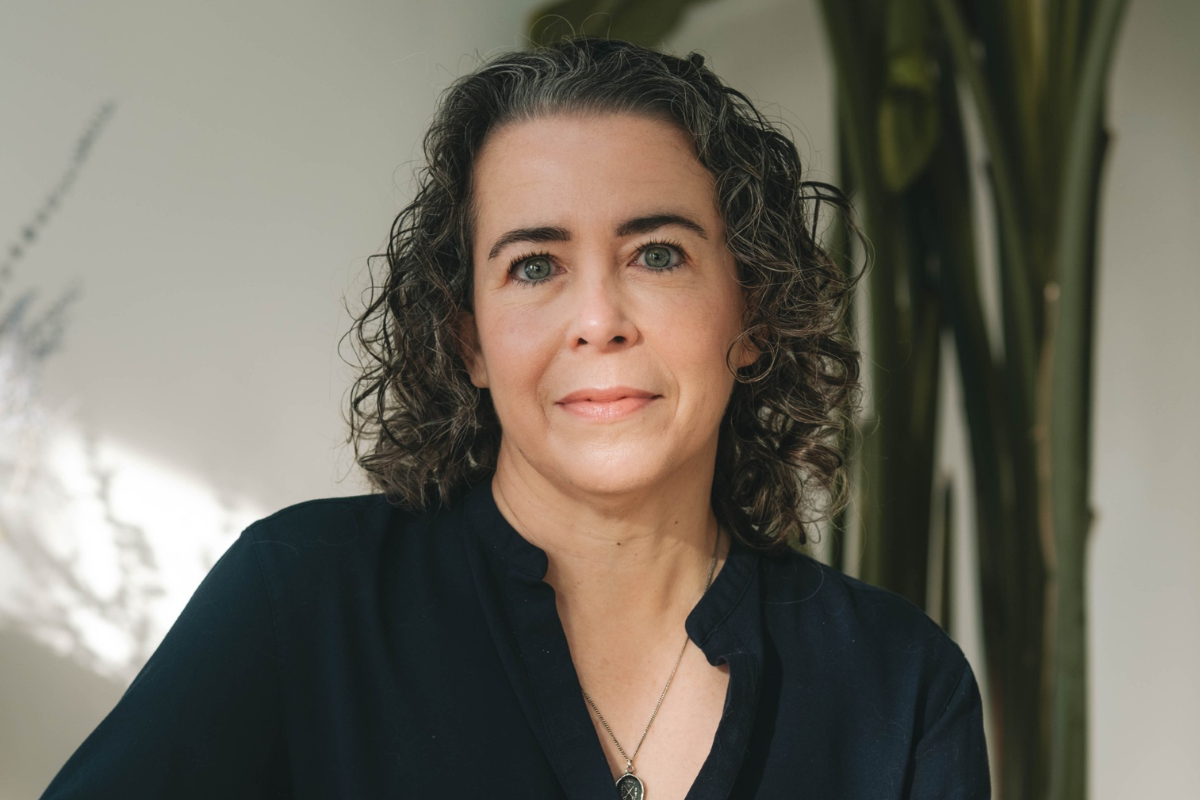
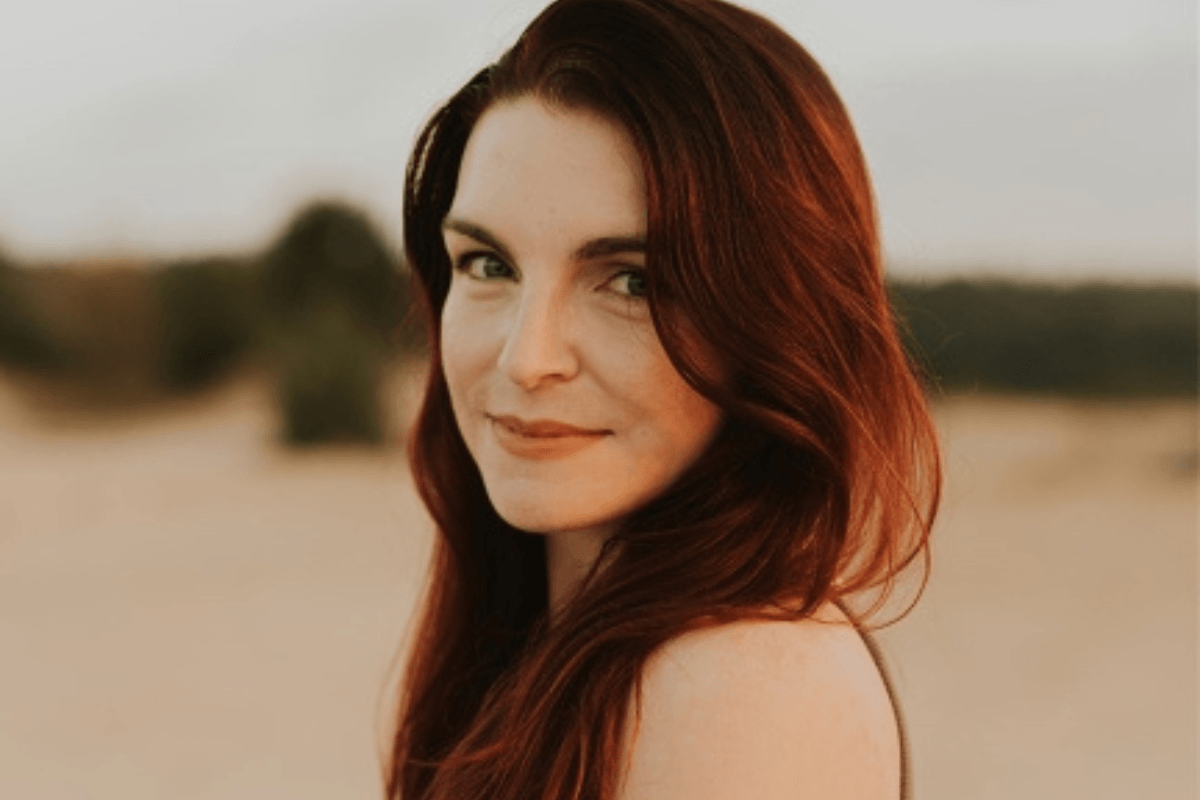
Shasta Grant grew up in New Hampshire and now lives in Indianapolis. An Aspen Words Emerging Writer Fellow, Kenyon Review Short Fiction Contest winner, and recipient of writing residencies from Hedgebrook and The Kerouac Project, she holds an MFA from Sarah Lawrence College. She is the author of the chapbook Gather Us Up and Bring Us Home and her stories and essays have appeared in cream city review, Epiphany, wigleaf, and elsewhere.
In the months leading up to the release of my debut novel, I woke up nearly every night in a panic. I’d stare at the ceiling and imagine standing in an empty bookstore, unsure whether to go on with the show. Or maybe worse: one person is in the audience. One witness to my failure. I imagined boxes of books being returned to the distributor. A royalty statement of zero. Eventually I’d fall back asleep, though the worry never completely went away.
As it turned out, all that worrying was for nothing. More people showed up to my events than I could have hoped for. A couple times we even had to bring out more chairs. My conversation partners were warm and generous. I signed books for friends and strangers. By any measure, it was a successful debut. But I learned a few things along the way. The most important lesson was that I had been wrong about how to measure success.
The best advice I received before my book came out was from a writer who was touring for her second book. We chatted briefly as she signed my book. Map your tour around people, not places, she suggested. Who do you want to be in conversation with? That’s the question to ask, she said. I turned that advice over on my way home and knew immediately that I wanted to do an event with Jolene McIlwain. Jolene and I had been online friends for a decade, and she wrote a blurb for my novel.
Jolene didn’t hesitate to say yes and pointed me to Penguin Bookshop in Pittsburgh, where she launched her own debut book. The night of our event, we met for dinner with our husbands. Before we left the restaurant, I swallowed one propranolol, a beta blocker my doctor had prescribed after a pre-launch reading where my Oura ring clocked my heart rate at 142 beats per minute. A writer friend had mentioned it over lunch the day after the reading series and told me she always takes one before events. It quiets the body without impacting the brain. If you have performance anxiety like I do, it’s worth a conversation with your doctor. You’d be surprised how many writers are doing this.
By the time Jolene and I settled into the bookstore’s green room, my body was calm and we were already laughing. At one point during our conversation onstage we got on the topic of soap operas and discovered we watched the same ones growing up in the 80s and 90s. We reminisced about Guiding Light’s Roger Thorpe falling off a cliff and the audience laughed along with us. I learned this is what choosing the right conversation partner gets you: an authentic connection that the room can feel.
After Pittsburgh, I headed to New Hampshire, where I had one event scheduled. Then a last-minute opportunity came up that led to another event. A friend of a friend messaged me to say she was reading my book and loved it. One of her friends had recently opened a bookstore in Plymouth. Would I consider doing an event there? I had decided before my book even came out that I would say yes to every opportunity. So, I said yes to this one, even though I didn’t know anyone in that part of the state. She told me not to worry, that they would get people out. And they did. She even served as my conversation partner for the night.
The event at Scarlet Letter Books was standing room only. The store opened only weeks earlier and I had the honor of being their first event. The community was clearly hungry for a store like this, and the kind of community space only a bookstore can provide. But this event wouldn’t have been possible without the advice of yet another writer friend. Always travel with a box of your books, she told me. The Scarlet Letter event came together at the last minute and there wasn’t time for the store to stock the book. Because I’d listened to my friend, I had a box in my car. Always travel with copies. You never know when you’ll need them. One of my high school English teachers was in the audience that night. So were a few classmates I hadn’t seen in years. It was truly a special night.
My second New Hampshire event, at Still North Books in Hanover, was the one I’d been most afraid of. My novel is set in a fictionalized version of Newport, the Upper Valley town I grew up in, and I was worried that people who knew the real place might be upset with my complicated portrayal of it. I was also worried, as always, that no one would come. I hadn’t been home in nearly thirty years. Would anyone remember me? Would anyone even care?
As I waited nervously inside the store before the event, a couple who had been something like surrogate parents to me when I was a child arrived with big hugs and an envelope of photographs from when I was twelve. I burst into tears on the spot. And as the chairs filled with friends, classmates, and even some of their mothers, I was so overwhelmed with emotion I could barely speak.
This is where choosing your conversation partner wisely really matters. Brett Ann Stanciu, a writer whose novel was coming out later that month from the same publisher, stepped in immediately and got the conversation going while I composed myself. I don’t know what I would have done without her.
I signed books and talked to old friends. It felt like a mini high school reunion. Two friends who hadn’t seen each other since graduation even made plans to meet each other for coffee the following week. I love that my book brought them together. After the bookstore closed, a small group of friends and my English teacher, who came to both New Hampshire events, went out for drinks. She’d been a brand-new teacher when I was in her class, and there we were, decades later, having cocktails together. It was strange for me to call her by her first name.
Weeks later, she told me that her daughter’s book club in Philadelphia had picked my novel as their next read. Scarlet Letter Books said they’ve restocked my book three times. That’s the ripple I didn’t know to hope for. Not the royalty statement and not the number of chairs filled, but the ways in which a book keeps moving through the world after you’ve gone home. A decade-long online friendship made real over dinner in Pittsburgh. A new bookstore owner in Plymouth who is now a friend (we’re planning to be accountability partners this fall as we each work on novels). A book club of readers I’ve never met in Philadelphia.
Don’t show up to your book tour asking how many people will come or how many people will buy your book. Show up curious about who you’ll find, and what will happen after you leave. Because the whole point of this is building community.
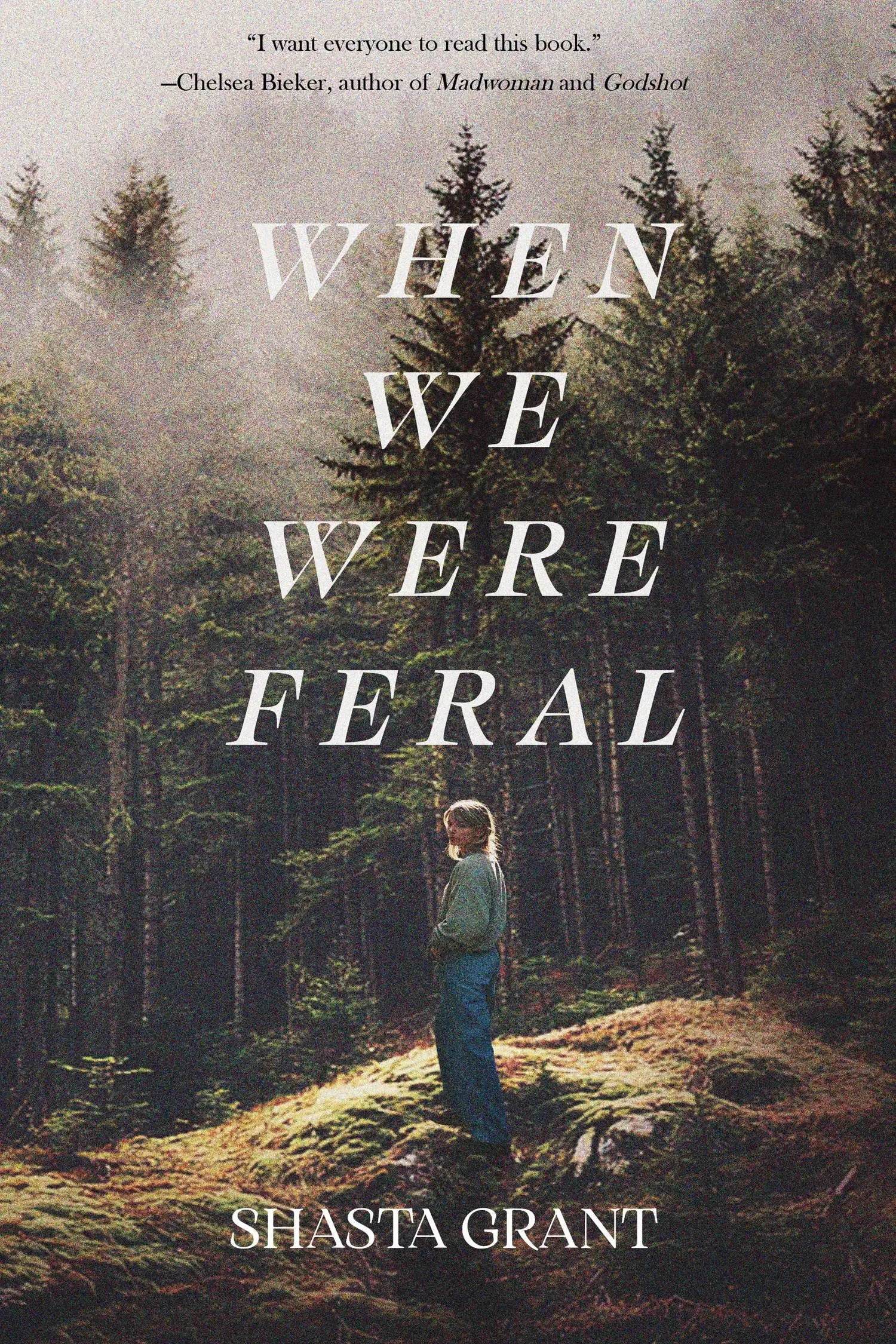
When We Were Feral by Shasta Grant
On the edge of a rural New Hampshire town lives thirteen-year-old Maggie with an almost mute brother, an overworked father, and a mother who vanished into thin air. Her best friend Sarah has a presumably perfect family that provides Maggie with warmth and comfort. However, when a classmate named Erin is abandoned after her mother goes missing, Maggie becomes overtaken by the need to understand why mothers are disappearing. While searching in the woods and on vacant backroads, Maggie and the others are faced with older boys who alter their path and test their purposes. Taking place in the early 1990s, this eerie coming-of-age story explores friendship, longing, and the treacherous transition from girlhood to adulthood.
Buy the book now: Bookshop.org | Amazon








Leave A Comment